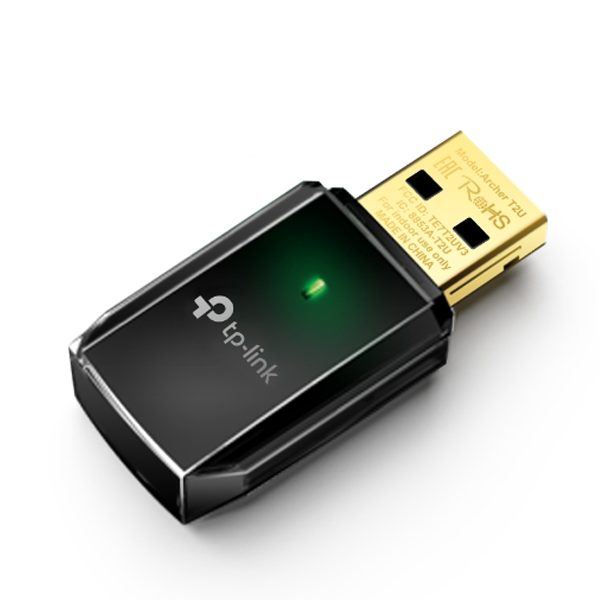
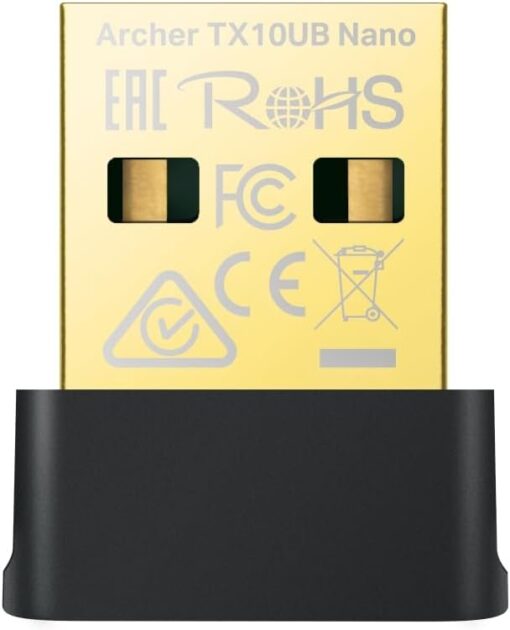
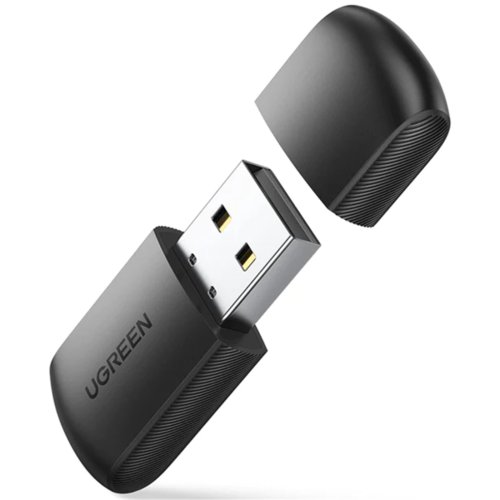
TP-Link AX300 Nano Wi-Fi 6 Wireless USB Adapter – TL-ARCHER TX1U NANO Overview
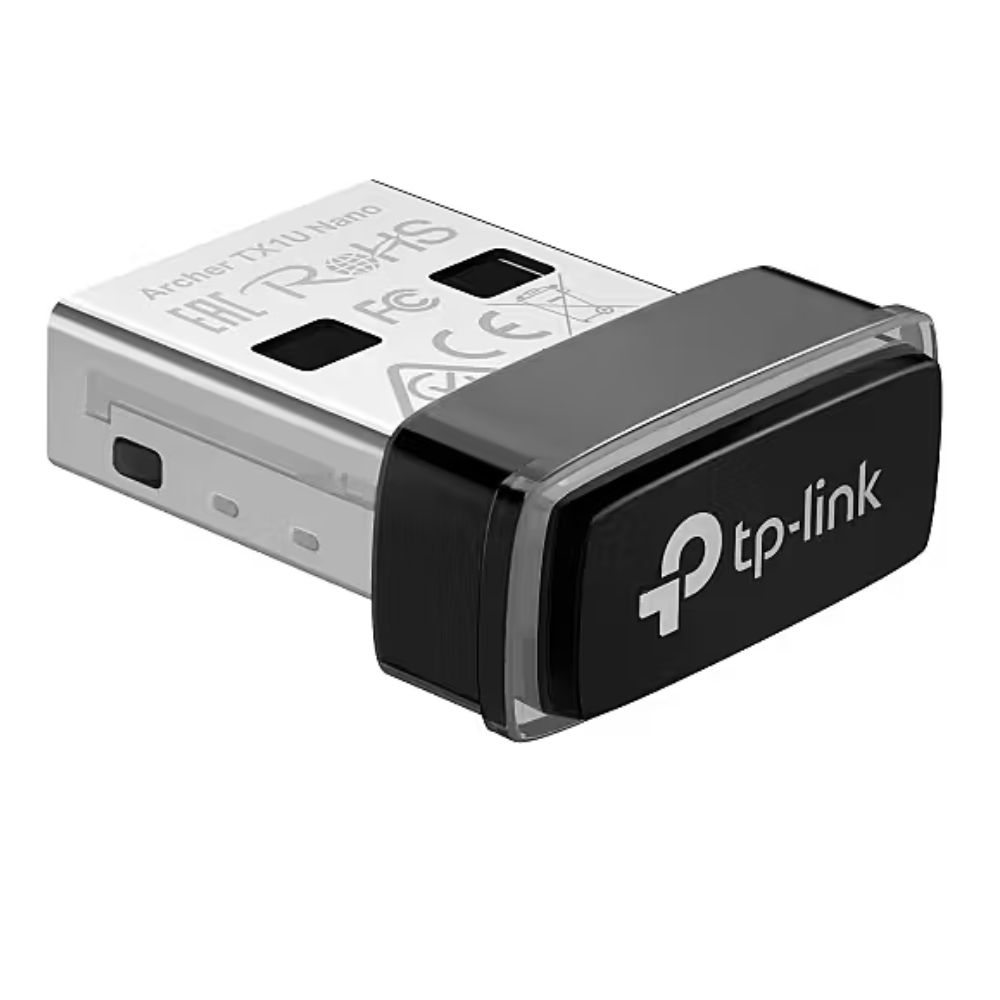
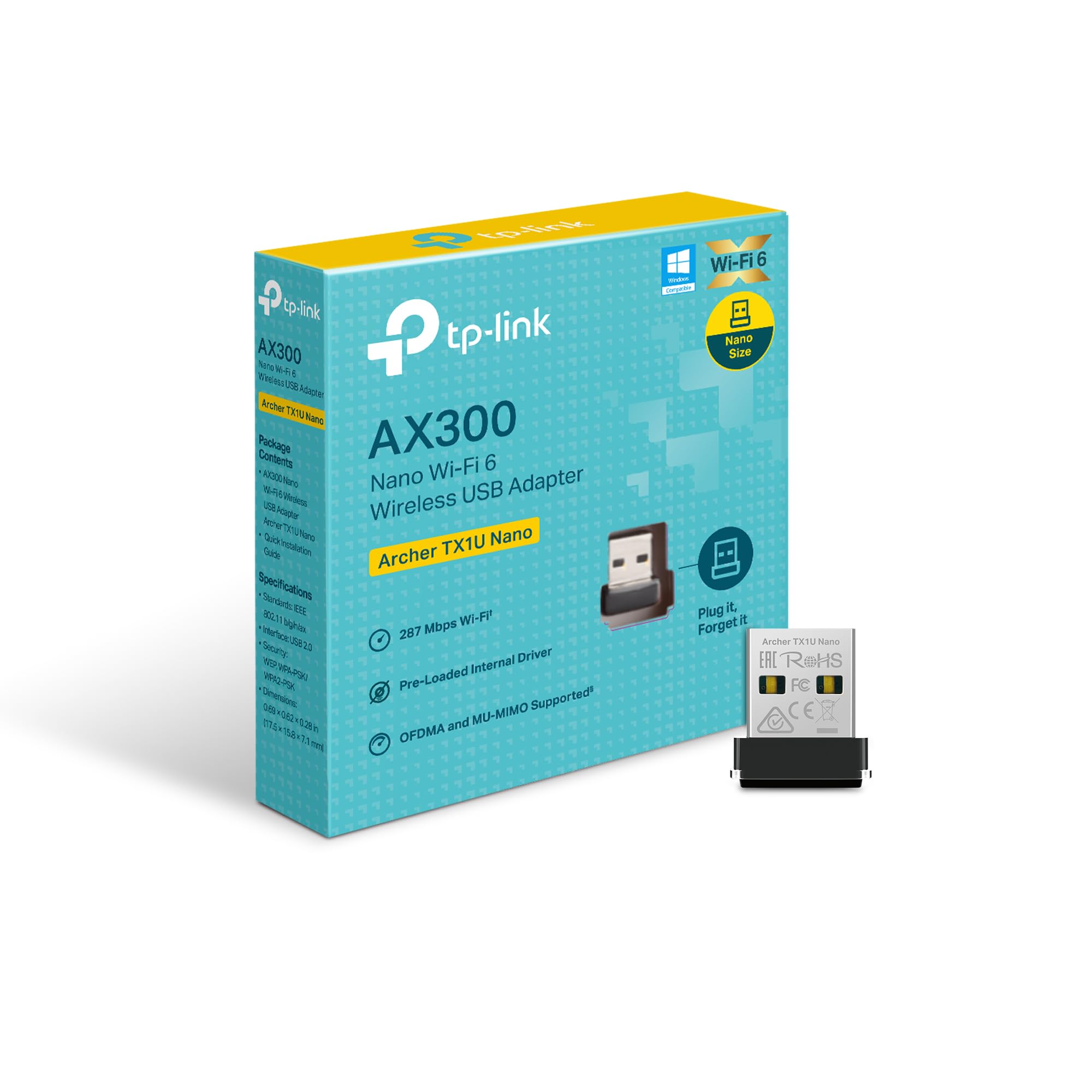
The TP-Link AX300 Nano Wi-Fi 6 Wireless USB Adapter – TL-ARCHER TX1U NANO is an ultra-compact wireless adapter designed to upgrade desktop PCs and laptops with next-generation Wi-Fi 6 connectivity. It delivers faster speeds, lower latency, and improved efficiency compared to older Wi-Fi standards. With its nano-sized design and plug-and-play functionality, it is ideal for users who need stable and modern wireless performance in a portable form factor.
TP-Link AX300 Nano Wi-Fi 6 Wireless USB Adapter – TL-ARCHER TX1U NANO Specifications Table
| Specification |
Details |
| Model |
TL-ARCHER TX1U NANO |
| Wi-Fi Standard |
Wi-Fi 6 (802.11ax) |
| Speed |
Up to 287Mbps |
| Frequency |
2.4GHz |
| Interface |
USB 2.0 |
| Antenna |
Internal antenna |
| Security |
WPA3 / WPA2 |
| Modes |
Client / SoftAP |
| OS Compatibility |
Windows / Linux |
TP-Link AX300 Nano Wi-Fi 6 Wireless USB Adapter – TL-ARCHER TX1U NANO Price in Kenya
| Product |
Price (KES) (Approx.) |
| TP-Link TX1U Nano Wi-Fi 6 Adapter |
1,200 – 2,500 |
TP-Link AX300 Nano Wi-Fi 6 Wireless USB Adapter – TL-ARCHER TX1U NANO Performance
• Delivers faster and more efficient Wi-Fi 6 connectivity
• Improves stability in congested network environments
• Reduces latency for smoother browsing and streaming
• Supports multiple-device efficiency with OFDMA and MU-MIMO
• Best suited for everyday internet use and light workloads
TP-Link AX300 Nano Wi-Fi 6 Wireless USB Adapter – TL-ARCHER TX1U NANO Design and Build
• Ultra-small nano form factor for discreet use
• Can remain plugged into USB ports without obstruction
• Lightweight and highly portable design
• Minimal heat output during operation
• Durable construction for daily use
TP-Link AX300 Nano Wi-Fi 6 Wireless USB Adapter – TL-ARCHER TX1U NANO Connectivity and Compatibility
• Compatible with Windows and Linux operating systems
• Works with most standard Wi-Fi routers
• Supports USB 2.0 connectivity
• Designed for 2.4GHz Wi-Fi networks
• Enables easy upgrade for non-Wi-Fi or older PCs
TP-Link AX300 Nano Wi-Fi 6 Wireless USB Adapter – TL-ARCHER TX1U NANO User Interface and Controls
• Simple plug-and-play installation process
• Automatic driver support on compatible systems
• SoftAP mode for hotspot creation
• Network management via operating system tools
• No physical controls required
TP-Link AX300 Nano Wi-Fi 6 Wireless USB Adapter – TL-ARCHER TX1U NANO Durability
• Built for continuous plug-in use
• Efficient power consumption design
• Stable long-term wireless performance
• Reliable chipset architecture
• Suitable for everyday computing environments
TP-Link AX300 Nano Wi-Fi 6 Wireless USB Adapter – TL-ARCHER TX1U NANO Pros and Cons
| Pros |
Cons |
| Wi-Fi 6 support for better efficiency |
Limited to 2.4GHz band only |
| Extremely compact and portable |
Not ideal for heavy gaming or 4K streaming |
| Easy plug-and-play setup |
Requires driver support on some systems |
| Supports hotspot (SoftAP) mode |
Performance depends on router quality |
| Improved stability in busy networks |
Basic feature set compared to larger adapters |
TP-Link AX300 Nano Wi-Fi 6 Wireless USB Adapter – TL-ARCHER TX1U NANO FAQs
1. What is the main purpose of this adapter?
It is used to upgrade PCs and laptops with modern Wi-Fi 6 wireless connectivity.
2. Does it support fast internet speeds?
Yes, it supports speeds up to 287Mbps on the 2.4GHz band.
3. Is installation difficult?
No, it supports plug-and-play setup on compatible systems.
4. Can it create a Wi-Fi hotspot?
Yes, it supports SoftAP mode for sharing internet.
5. Is it good for gaming?
It is suitable for light gaming but not high-performance competitive gaming.
TP-Link AX300 Nano Wi-Fi 6 Wireless USB Adapter – TL-ARCHER TX1U NANO Conclusion
The TP-Link AX300 Nano Wi-Fi 6 Wireless USB Adapter – TL-ARCHER TX1U NANO is a compact and affordable way to upgrade devices to Wi-Fi 6 connectivity. It offers improved efficiency, stable performance, and easy installation in a tiny form factor, making it ideal for everyday browsing, office work, and general internet use.